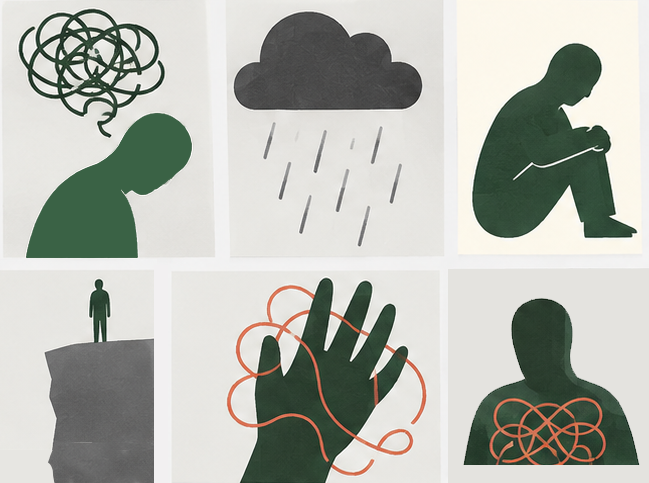
Therapy for Personal Struggles
The exhaustion no one sees that quietly consumes you
Maybe you're anxious enough that you replay most of your conversations afterwards, picking apart what you said, dreading how it might have landed. Maybe you feel guilty almost all the time, even when you can't quite say why, or about things that were never really your responsibility to carry. You overthink everything: the email before you send it, the comment you made an hour ago, the decision you already made and can't stop revisiting. Your body carries it too, a constant low hum of edginess that doesn't really switch off, even when, on the surface, everything looks fine.
.
When Nothing Feels Good Enough
You know, rationally, that it shouldn't matter this much what people think of you. But it does. You find yourself walking on eggshells around the people who matter most, monitoring their mood, adjusting yourself to avoid the smallest possibility of conflict or disapproval. "I should" might be the phrase you reach for more than any other, as if there's a better version of you that you're constantly falling short of. Some days, intrusive thoughts arrive uninvited, looping and circling no matter how hard you try to push them away. Some days, it tips further still, into a panic that takes over your whole body before you've even understood what set it off.
Maybe you feel let down, by people, by circumstances, by life in general, more often than you think you should. Maybe, even surrounded by people, by a partner, a family, a full calendar of plans, there's a loneliness that doesn't seem to lift, a sense of being fundamentally unseen, or unable to let anyone get close enough to actually see you. And underneath that, a quieter, harder thought: that you are the problem, that if you could just find the right fix, the right insight, the right amount of discipline, you'd finally be the person who moves through life with ease, the way it seems to come so naturally to everyone else.
Maybe these questions keep playing on your mind…
‘‘Why do I feel so empty when, on paper, my life looks fine?”
‘‘Why do I feel lonely even when I'm surrounded by people who care about me?”
‘‘Why do I keep replaying conversations and decisions long after they're over?’’
These experiences are more common than you might think and often point towards patterns that can be understood, explored, and changed.

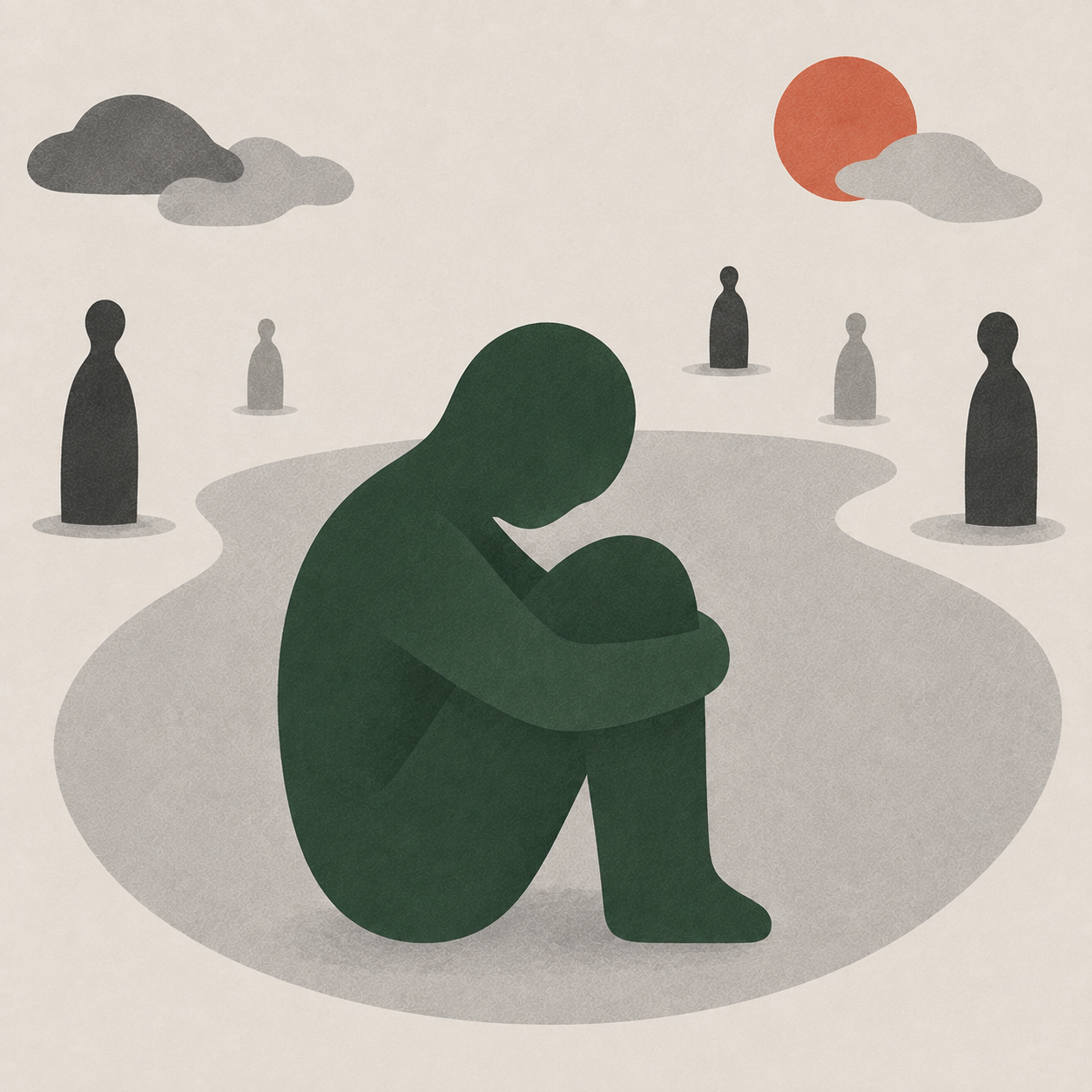
In a safe, comfortable, and confidential space, you can finally say these things out loud, the struggles, the fears, the guilt, the exhausting inner commentary, without having to manage anyone else's reaction to them. From there, we start identifying the patterns underneath: where the guilt actually comes from, what the overthinking is trying to protect you from, why your body has learned to brace rather than rest, where the loneliness comes from even when you're not actually alone, and where you first learned to walk on eggshells, long before this relationship, this job, or this version of your life.
Naming these patterns doesn't make them disappear overnight, but it changes your relationship to them, from something that simply happens to you, into something you can finally understand, and start to shift.
How Psychotherapy
Can Help
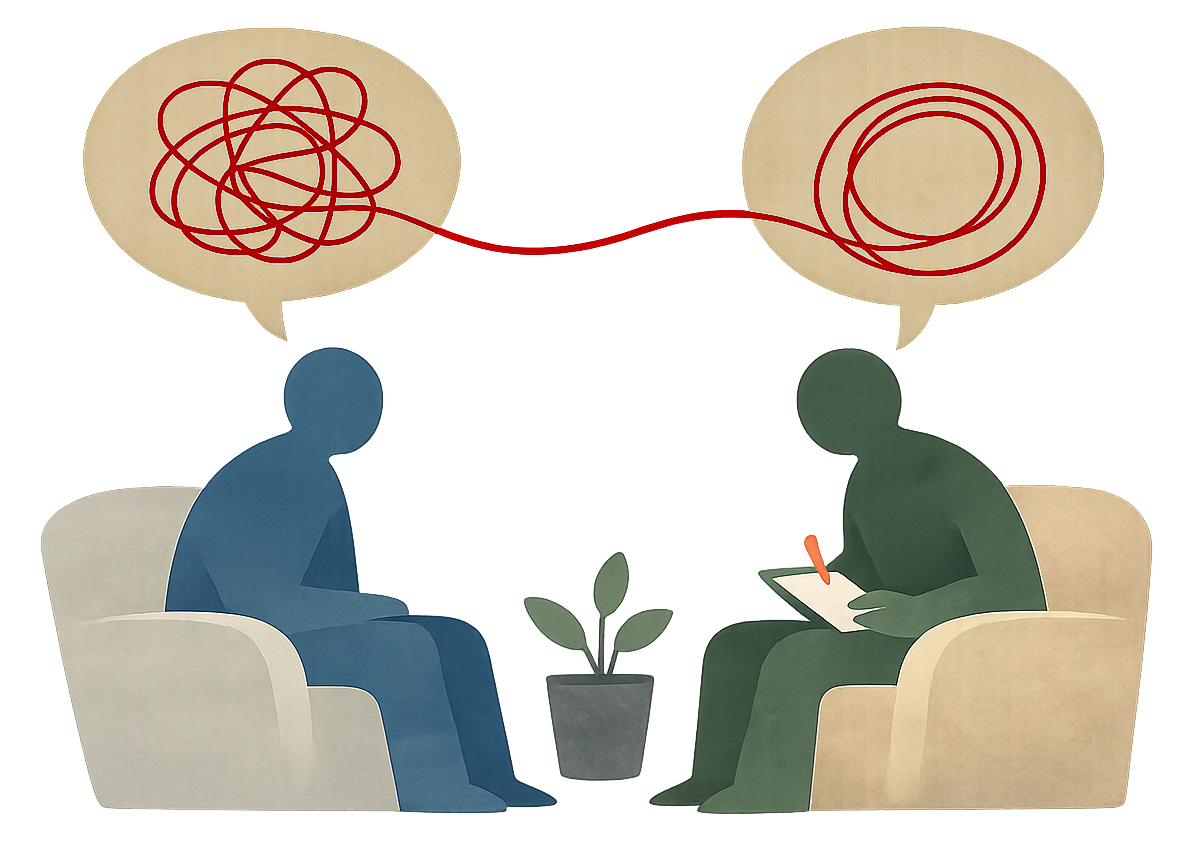
A space where insight leads to lasting change.

How I work
Warmth and gentle challenge
As a relational psychotherapist, I value a warm, supportive, and non-judgemental relationship with my clients above almost everything else. It's the foundation that makes the rest of the work possible. But warmth isn't the same as simply agreeing with everything you bring into the room. I will, at times, gently challenge you: your assumptions, your "shoulds," the stories you've carried for years, because that's often exactly where new possibilities begin to open up, in both your thinking and your emotional patterns.
I also believe strongly in personal responsibility, not as blame, but as the place where real change actually becomes possible. It's easier to locate the problem outside yourself: in other people, in circumstances, in bad luck. But the parts of your life you can genuinely change are the parts that involve you, your patterns, your reactions, your choices. Once you can own your part honestly, without shame, you stop being a passenger in your own story and start having real influence over how it unfolds.
You already have far more capacity to change than the anxious, guilty, overthinking version of you currently believes. That capacity doesn't usually show up as a sudden transformation. It shows up gradually, in a conversation you didn't replay for hours afterwards, in a boundary you held without spiralling into guilt, in a quiet moment where the old pattern simply didn't show up the way it always had.
Starting therapy is itself part of that change. You don't need to arrive with the problem fully understood, or a clear goal already mapped out. You just need a willingness to look honestly at what's happening and to stay curious about it, even when it's uncomfortable. The rest, we build together, one session at a time.