Therapy for loneliness & feeling isolated
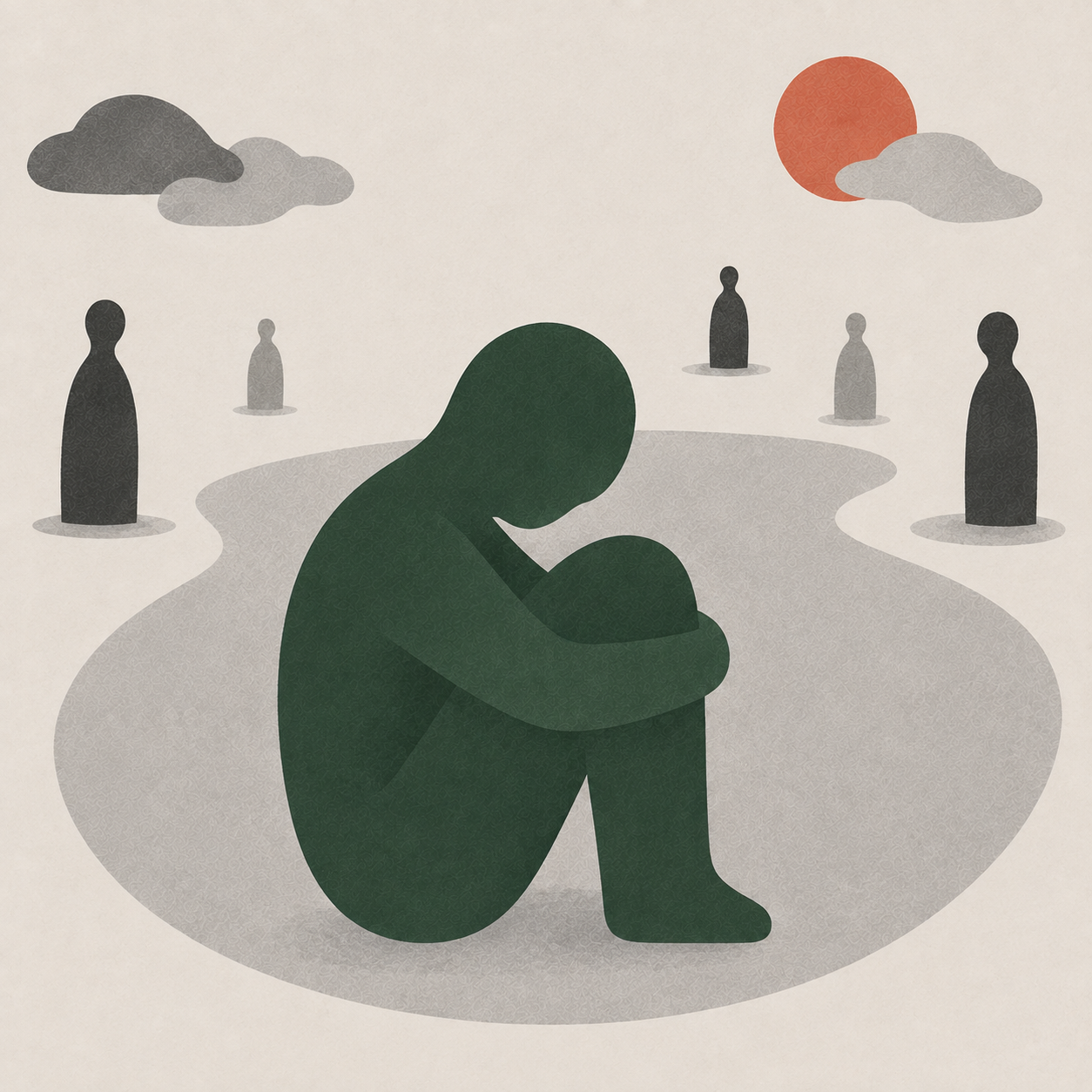
You're not necessarily alone. There might be a partner asleep next to you, a group chat that never stops buzzing, a calendar full of plans most weeks. And yet there's a loneliness that sits underneath all of it, a sense of being fundamentally unseen, or unable to let anyone get close enough to actually know what's really going on for you. It can feel almost embarrassing to call this loneliness at all, when, on paper, you have people around you. But loneliness has never really been about how many people are in the room. It's about how truly seen you feel within it.
Often, this kind of loneliness has a history that predates any current relationship. Many people learned early on, in a family, at school, in a first significant relationship, that being fully known carried a risk: of being criticised, dismissed, overwhelming someone else, or simply not understood. So a quieter strategy took over, one that keeps connection going on the surface while protecting a more vulnerable, more honest version of you from ever really being on display. It works, in the sense that it keeps you safe. It also means that almost no one, including people who love you, ever quite reaches the part of you that most needs reaching.
In therapy, the relationship itself becomes part of the work. It's a space where you can practise being known, fully, without managing how it lands, and notice, often for the first time, what it feels like when that doesn't go wrong. From there, we look at where the pattern of holding back began, and what it would take to bring a little more of that honesty into the relationships you already have.
Loneliness isn't a flaw to fix. It's usually a signal that connection has been happening at a safer distance than you actually want. Closing that distance is slow, careful work, but it's entirely possible.
Back to Personal Struggles Page >